
 About Us
 Our Team
 Customer Reviews
 References
 Domestic tours
 International tours
 Individual tours
 Group tours
 Excursion
 Azərbaycan
 İngilis
 Rus
 Az
 En
 Ru
Gobustan & Mud Vulcanoes


Price: 12 AZN
-
 1
-
 Convenient Transportation
-
 In Azerbaijani
-
 Culture and History
Tour calculator
Guide
Car choose:
Sedan (1-3 seat)
Vito (1-7 seat)
Sprinter (1-16 seat)
All:
Price: 12 AZN
Back Submit your order
About tour
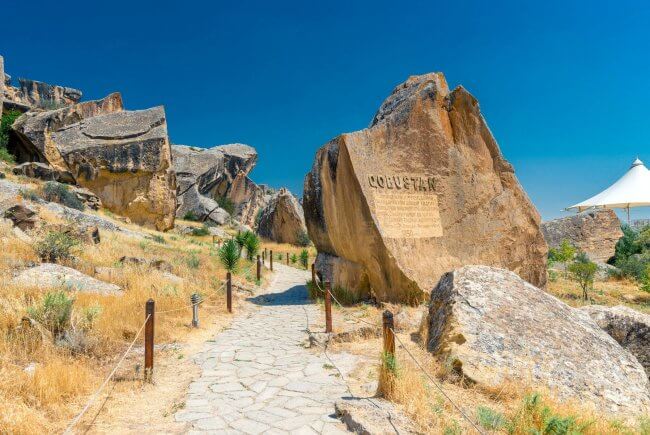
Gobustan State Historical and Cultural Reserve
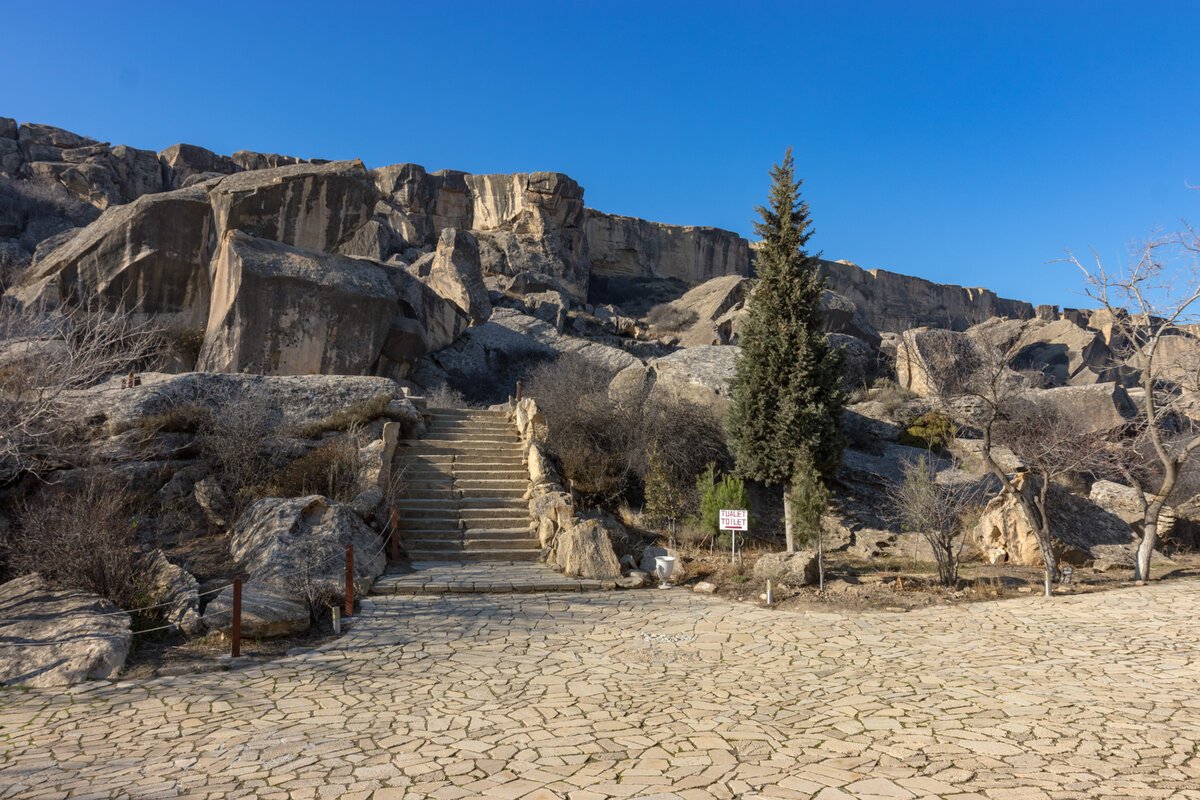
Gobustan State Historical and Cultural Reserve is located west of the settlement of Gobustan, about 40 miles (64 km) southwest of the center of Baku. It was established in 1966, when the area was declared a national historical landmark of Azerbaijan in an attempt to preserve the prehistoric rock carvings, mud volcanoes and musical stones in the region.
Gobustan State Reserve is very rich in archeological monuments. Gobustan Rock Art Cultural Landscape within the reserve, which covers an area of 537 ha, has more than 6,000 rock carvings, which depict people, animals, battle-pieces, ritual dances, bullfights, boats with armed oarsmen, warriors with lances, camel caravans, sun and stars, on the average dating back to 5,000-20,000 years.
The language of the ancient population of Gobustan is disputed, but the petroglyphs still give information about the lives of prehistoric people who lived there. More than 4,000 pictures of animals, humans, natural life experiences, hunting, and dancing were carved over a span of thousands of years. Most of the petroglyphs are on large cliffs, divided among multiple ancient residences, and in some cases they have been carved over older images.
Gaval Dash - The Gaval Dash is a natural musical stone which can only be found in Gobustan, Azerbaijan. It stands at the entrance to the reserve, and is one of four "singing stones" found there.
Mud Vulcanoes
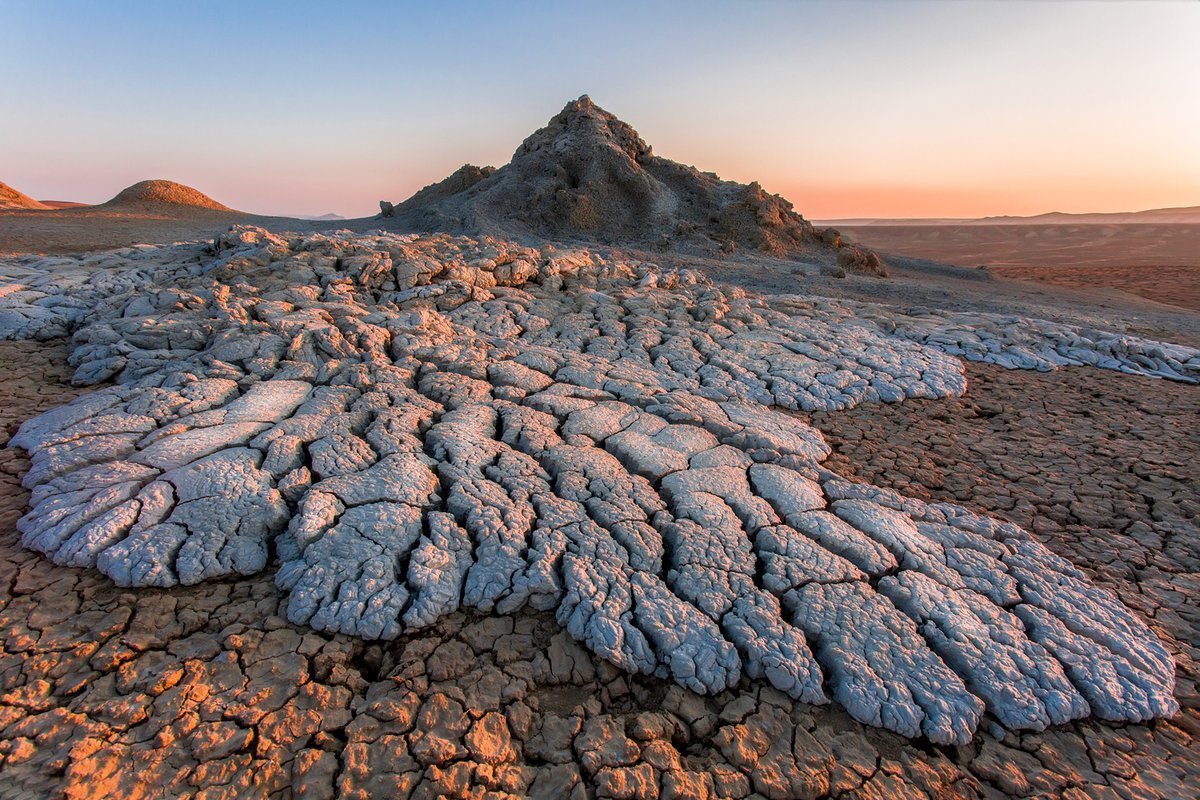
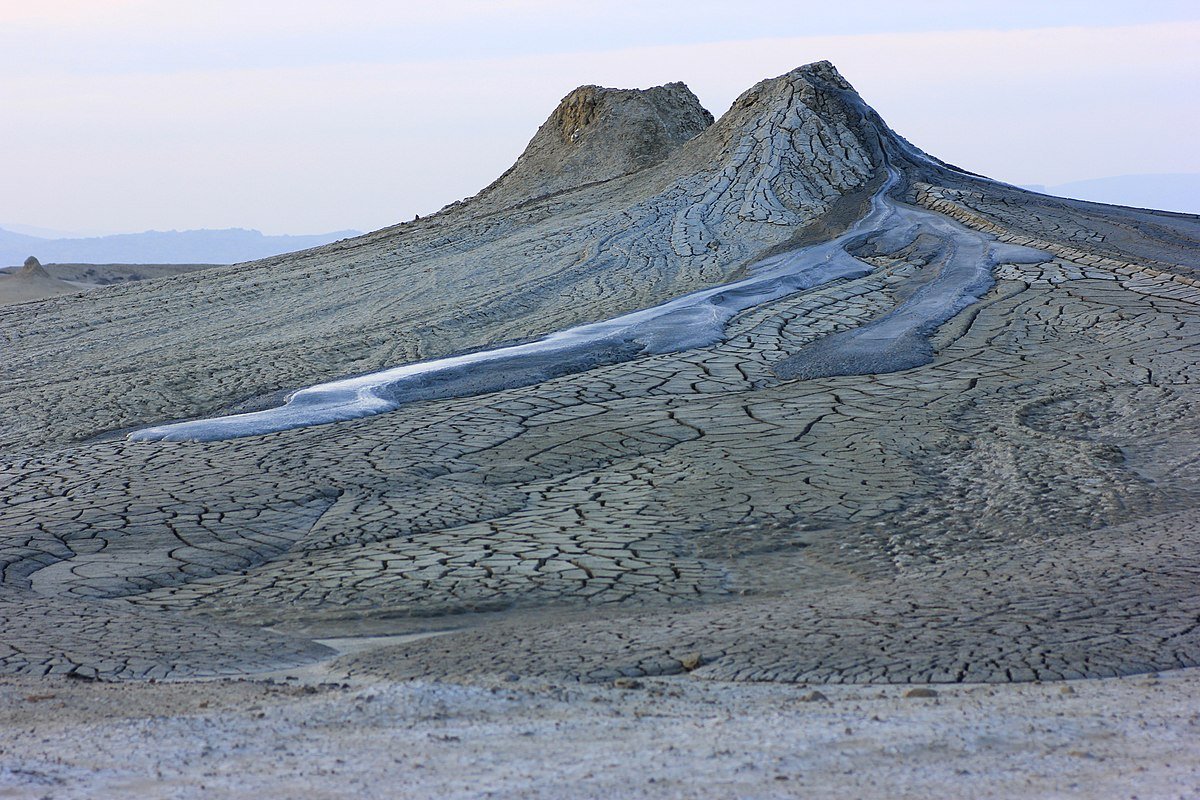
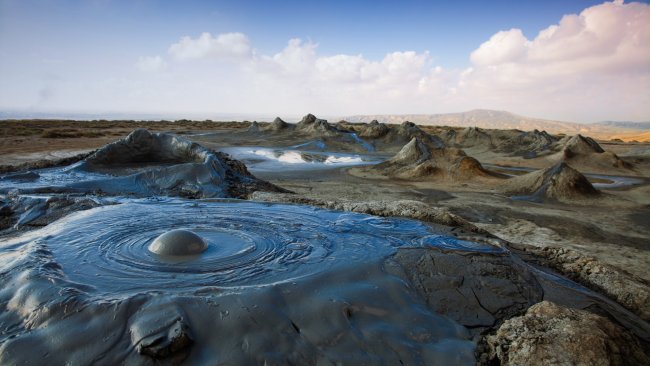
It's estimated that 300 of the planet's estimated 700 mud volcanoes are located in Gobustan, Azerbaijan, and the Caspian Sea. Mud volcanoes of Gobustan are a popular attraction for both scientists and tourists, the latter often bathing in mud, which is thought to have medicinal qualities