
 About Us
 Our Team
 Customer Reviews
 References
 Domestic tours
 International tours
 Individual tours
 Group tours
 Excursion
 Azərbaycan
 İngilis
 Rus
 Az
 En
 Ru
Arrhythmia Treatment


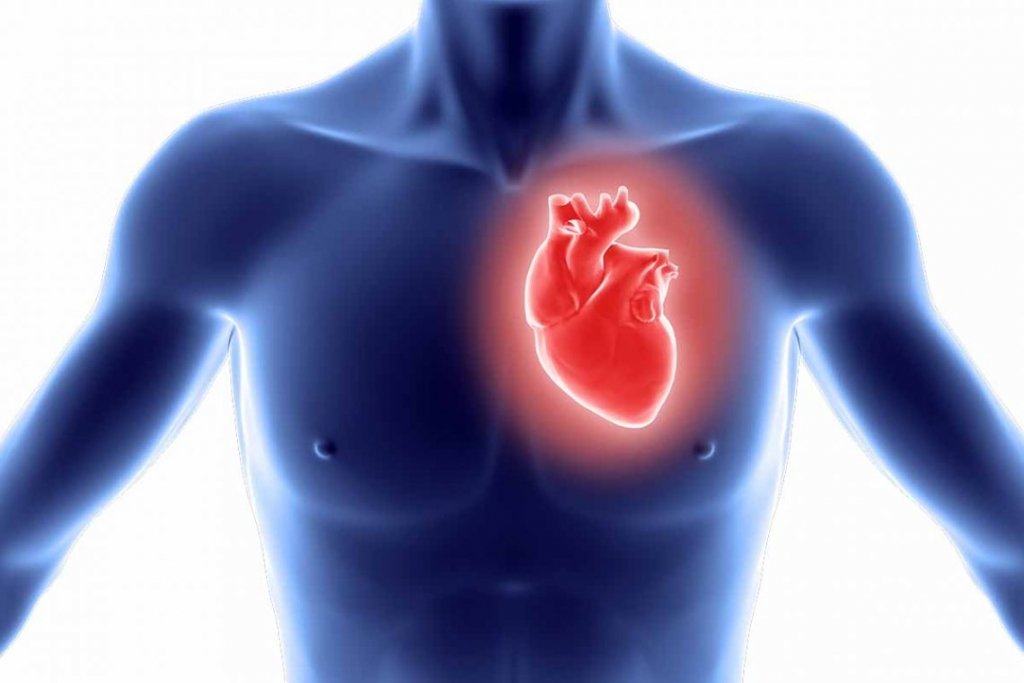
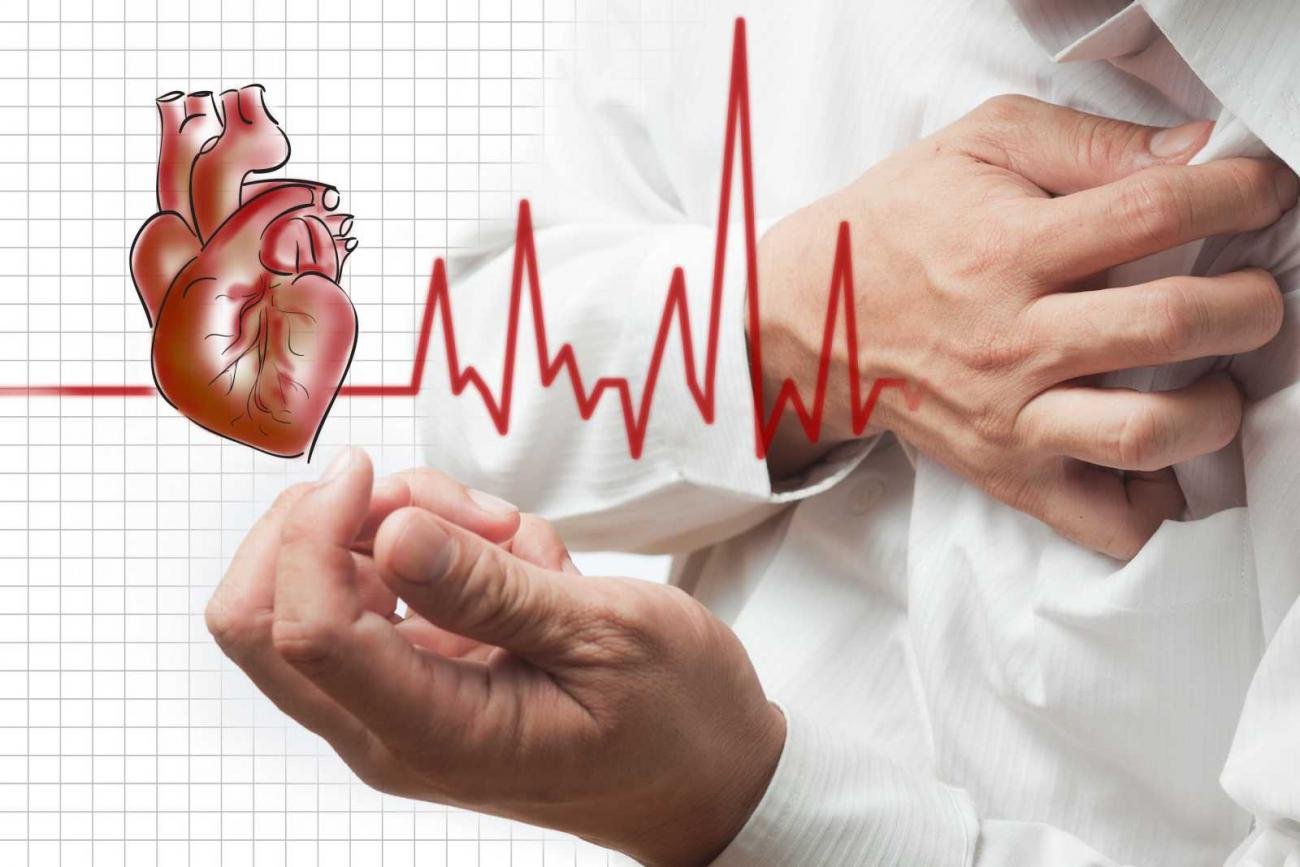
Arrhythmia is a term used to describe an irregular or abnormal heartbeat. Normally, the heart beats in a certain rhythm, which ensures that the heartbeat is regular. But when this rhythm is disturbed, arrhythmia occurs. An arrhythmia can appear as a very fast (tachycardia), very slow (bradycardia) or irregular heartbeat.
Arrhythmias can occur for a variety of reasons and generally fall into the following categories:
Supraventricular arrhythmia:
This is an arrhythmia that occurs in the atria.
Conditions such as atrial fibrillation and atrial flutter fall into this category.
Ventricular arrhythmia:
Arrhythmia occurring in the ventricular region.
Conditions such as ventricular tachycardia and ventricular fibrillation fall into this category.
Atrial and ventricular arrhythmias:
These are types of arrhythmia that involve both the atria and the ventricles.
Bradyarrhythmia:
This refers to situations where the heartbeat is slower than normal. Bradycardia is a type of bradyarrhythmia.
Tachythms:
This refers to situations where the heartbeat is faster than normal. Tachycardia is a type of tachyarrhythmia.
Arrhythmias can have many causes, including:
- Heart Disease: Conditions such as heart attack, heart failure, or heart valve disease can cause arrhythmia.
- Hypertension (high blood pressure): High blood pressure can affect heart rate.
- Diabetes: Diabetes can adversely affect heart function and cause arrhythmia.
- Metabolic disorders: Electrolyte imbalances, especially changes in potassium, magnesium, and calcium levels, can increase the risk of arrhythmias.
- Stress and Anxiety: Severe stress or anxiety attacks can affect the heart rate and cause arrhythmia.
- Genetic factors: Family history can affect an individual's risk of arrhythmia.
- Aging: Age-related changes in the cardiovascular system can increase the risk of arrhythmias.
Arrhythmias are often asymptomatic or cause mild symptoms. However, severe arrhythmias can lead to serious consequences such as heart attack or sudden cardiac death. If an arrhythmia is suspected, it should be evaluated by a cardiologist and treated if necessary. Treatments may include medications, pacemaker implantation, ablation, and sometimes surgery.