
 About Us
 Our Team
 Customer Reviews
 References
 Domestic tours
 International tours
 Individual tours
 Group tours
 Excursion
 Azərbaycan
 İngilis
 Rus
 Az
 En
 Ru
Bone marrow



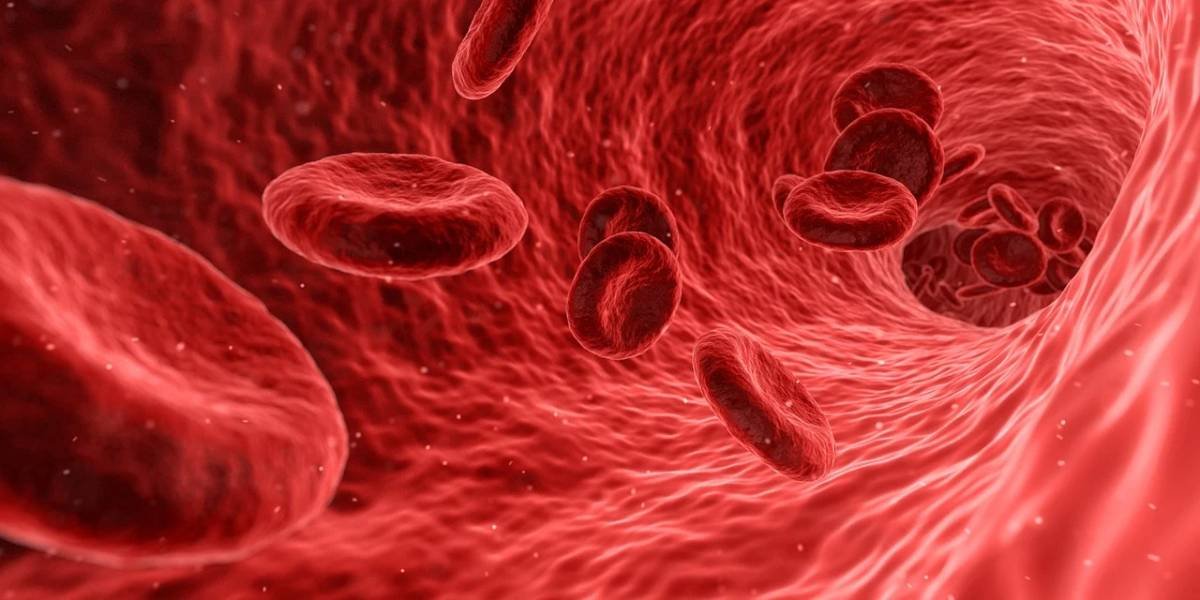

A bone marrow transplant is a medical procedure that involves transplanting bone marrow or peripheral blood stem cells into the recipient's bone marrow or circulatory system. This procedure is used to treat a number of blood or bone marrow disorders.
Here are some key facts about bone marrow transplants:
Reasons and tips:
Bone marrow transplants are used to treat diseases such as leukemia, lymphoma, myeloma, and bone marrow failure.
It aims to replace diseased or damaged bone marrow cells with healthy ones.
Receiver and Transmitter Compatibility:
Bone marrow transplants are usually performed with the recipient's own bone marrow cells (autologous transplant) or cells from a donor (allogeneic transplant).
In allogeneic transplantation, the tissue compatibility of the donor and the recipient is important. Ideally, HLA (human leukocyte antigen) matching is sought between recipient and donor.
Types of transport:
Autologous bone marrow transplant (Autogen): The patient's own healthy bone marrow cells are taken, and the patient then receives high-dose chemotherapy or radiotherapy for treatment. Then healthy cells are transplanted back.
Allogeneic bone marrow transplantation:
Bone marrow cells from another person are used as a donor. In this case, tissue compatibility between recipient and donor is important.
Preparatory phase (conditioning):
The recipient receives high-dose chemotherapy or radiotherapy to destroy existing bone marrow cells.
Transplantation Phase:
Healthy bone marrow or stem cells are transplanted into the recipient. This process is similar to a blood transfusion.
Recovery and follow-up:
The recovery process is determined by the patient's general health, post-transplant complications, and the healthy deployment and function of the new bone marrow cells.
Since the risk of infection in the post-transplantation period is high, patients undergo regular medical examinations.
Risks and complications:
Bone marrow transplants can potentially cause serious complications. This can include infections, tissue rejection, tissue destruction, bleeding, and other health problems.
A bone marrow transplant can be an effective treatment for many diseases, but the procedure carries risks that vary depending on the patient's overall health, disease, and type of transplant.